
Are you an existing customer? Need support? Submit a Ticket or Call Us at 480.757.8350

Fiber Optic Installation in Phoenix

High speed connectivity for commercial buildings, apartments, and large facilities.

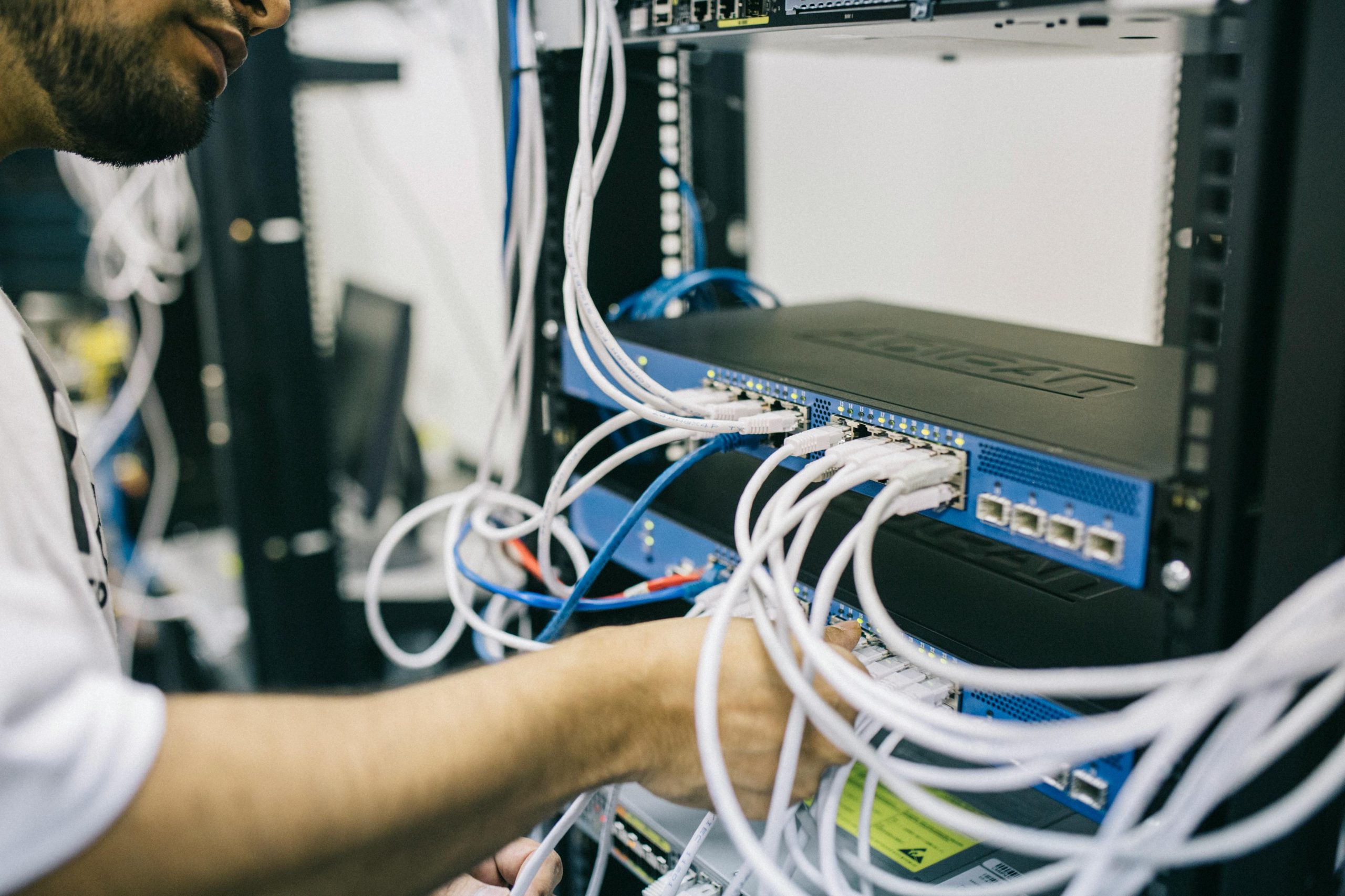
IT technician organizing network cables for a growing business

When Fiber Is the Right Solution

Fiber optic cabling is not always required, but when it is, it solves problems copper cabling cannot.

Fiber is commonly needed when:

We help you determine whether fiber is necessary or if copper cabling will still meet your needs.

G39ay7hWYAAXrUh

Commercial Fiber Use Cases in Phoenix

We install fiber optic cabling for:

  • Apartment complexes connecting multiple buildings
  • Warehouses and large commercial facilities
  • Office buildings with high data and bandwidth demands

Most fiber installations are completed within existing structures without major construction.

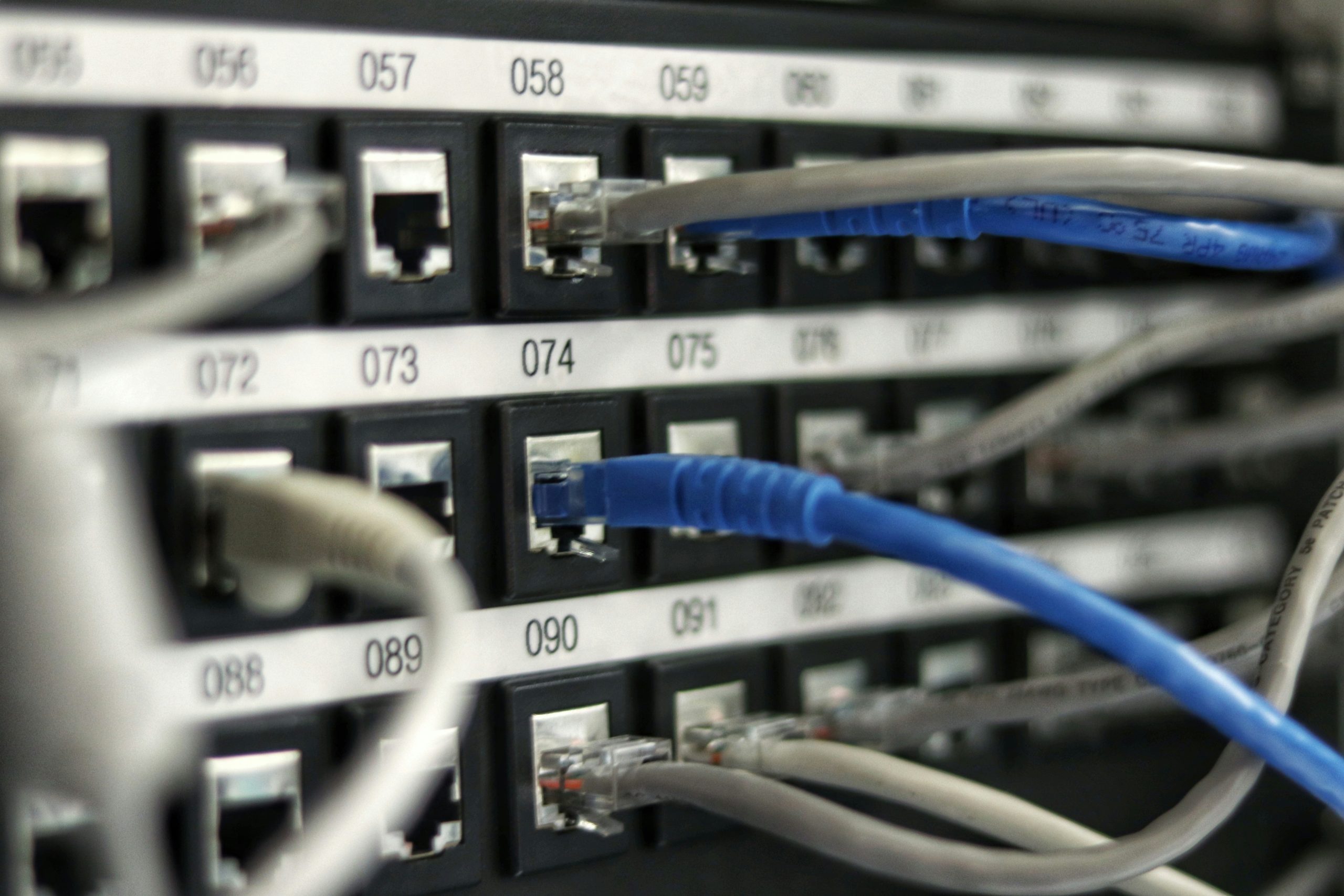
Structured cabling installation in Tempe office

Fiber Types Explained Simply

There are two primary types of fiber used in commercial environments.

Single mode fiber is typically used for long distances and higher performance needs. Multimode fiber is often used for shorter runs inside buildings.

We explain the differences in plain language so you can make an informed decision without technical confusion.

Fiber optic installation in a Phoenix warehouse facility

Industrial Fiber Optic Installation: Engineered for Phoenix Warehousing & Logistics Hubs

As industrial footprints expand across the Phoenix metro area—from the East Valley logistics corridors to West Valley distribution centers—standard copper network cabling quickly hits its physical limitations. Large-scale warehousing and manufacturing environments present unique infrastructure challenges that traditional office wiring cannot handle. At ParksideTech, we engineer and deploy commercial fiber optic backbones designed to guarantee operational continuity, zero packet loss, and maximum throughput across your entire facility.

Eliminating the Three Critical Vulnerabilities of Warehouse Networks

Copper cabling was designed for office environments. In a modern fulfillment center, it introduces three failure points that fiber eliminates entirely.

Distance Limitations

Standard Cat6/Cat6A copper degrades after 300 ft. In a 100,000+ sq. ft. Phoenix fulfillment center, that means dropped packets at remote scanning nodes and costly intermediate telecom closets. Fiber maintains flawless transmission across miles of industrial space with no signal loss.

Electromagnetic Interference (EMI)

Heavy machinery, conveyor systems, forklift chargers, and high-voltage lines generate EMI that corrupts data on copper runs. Because fiber transmits via light through glass—not electrical signal through metal—it is completely immune to EMI, delivering rock-solid stability next to your heaviest equipment.

High-Density Wireless AP Backbone

Warehouse productivity depends on uninterrupted wireless for inventory management, picking systems, and handheld RF scanners. We install fiber backbones scalable from 10Gbps to 100Gbps, ensuring dozens of high-rafter APs never create a bottleneck for your floor workers.

Technical Deployment Matrix: Single-Mode vs. Multimode Fiber

Our certified low-voltage technicians deploy the exact fiber media class required for your facility’s operational layout. Here’s how each type maps to real-world industrial applications:

Fiber ClassificationCore DiameterMax Practical DistanceOptimal Industrial Application
OS2Single-Mode9 µmUp to 10 kmConnecting separate buildings, gatehouses, or running primary backbones across massive multi-acre logistics yards.
OM3/OM4Multimode50 µmUp to 400 mHigh-speed server rack cross-connects, backbone links from the main MDF to intermediate IDF cabinets on the warehouse floor.

Not sure which fiber class your facility needs? We assess your layout and recommend the right solution — no upselling, just the right spec for the job.

The ParksideTech Reliability Standard

We understand that an offline network translates directly to halted shipments and lost revenue. From path design and trenching to precision fusion splicing and final OTDR testing, we handle everything — and every fiber run is fully certified. Your operations manager receives documented proof of network integrity. No guesswork, no callbacks.

Fiber Optic Installation FAQs

How much does fiber optic installation cost in Phoenix

Pricing depends on distance, access, and fiber type. We provide detailed estimates after reviewing the site.
Yes. Most fiber installations are retrofits and do not require major construction.
Timelines vary based on building size and complexity. We coordinate schedules to minimize disruption.

Simplify your IT operations with our vendor management services. We handle all aspects of vendor relations, from negotiations and contract management to performance monitoring and issue resolution. By managing your technology vendors, we ensure you receive the best terms and services, allowing you to focus on your core business activities.

Prepare for the unexpected with our disaster recovery and business continuity planning services. We develop and implement comprehensive plans to ensure your business can quickly recover from disasters and continue operations with minimal downtime. Our solutions include regular testing, data backup, and recovery strategies, providing peace of mind that your business is resilient and prepared.

Stay compliant with industry regulations with our comprehensive compliance management services. We help businesses navigate complex regulatory landscapes, including HIPAA, GDPR, and PCI-DSS. Available to complete compliance audits, risk assessments, and policy development.

Safeguard your business with our advanced cybersecurity services, designed to protect against evolving threats. Our solutions include Security Information and Event Management (SIEM), Endpoint Detection and Response (EDR), and proactive threat hunting. These services provide continuous monitoring, real-time threat detection, and swift incident response, ensuring your business is protected from sophisticated cyber-attacks.

Quarterly Security Training for employees

Enhance your business with our Virtual CIO services, providing expert guidance on aligning technology with your strategic goals. Our vCIOs work closely with your leadership team to develop a comprehensive IT roadmap, manage IT budgets, and oversee technology initiatives. With our vCIO services, you can ensure that your IT investments are strategic, cost-effective, and support your long-term business objectives.

Monthly meeting

  1. Incident and Problem Management: Discuss any incidents or recurring problems from the past month, including their resolution and any ongoing issues that need attention
  2. Security Updates: Review the current security posture, including updates on any security incidents, vulnerability assessments, and threat detection activities.
  3. Strategic Initiatives: Update on the progress of strategic IT initiatives and projects, such as digital transformation efforts, new technology implementations, or infrastructure upgrades​
  4. Budget Review: Examine the IT budget, including actual spending versus budgeted amounts. Discuss any variances and their implications.
  5. Business Goals: Align IT activities and projects with the overall business goals. Discuss how IT can support new business initiatives, improve efficiency, or create competitive advantages​
  6. Current Projects: Review the status of ongoing IT projects, including timelines, milestones, and any risks or issues that need to be addressed.
Discuss how managed services can help you today!
Call (480) 757-8350 or use the form below.

"*" indicates required fields

This field is for validation purposes and should be left unchanged.